
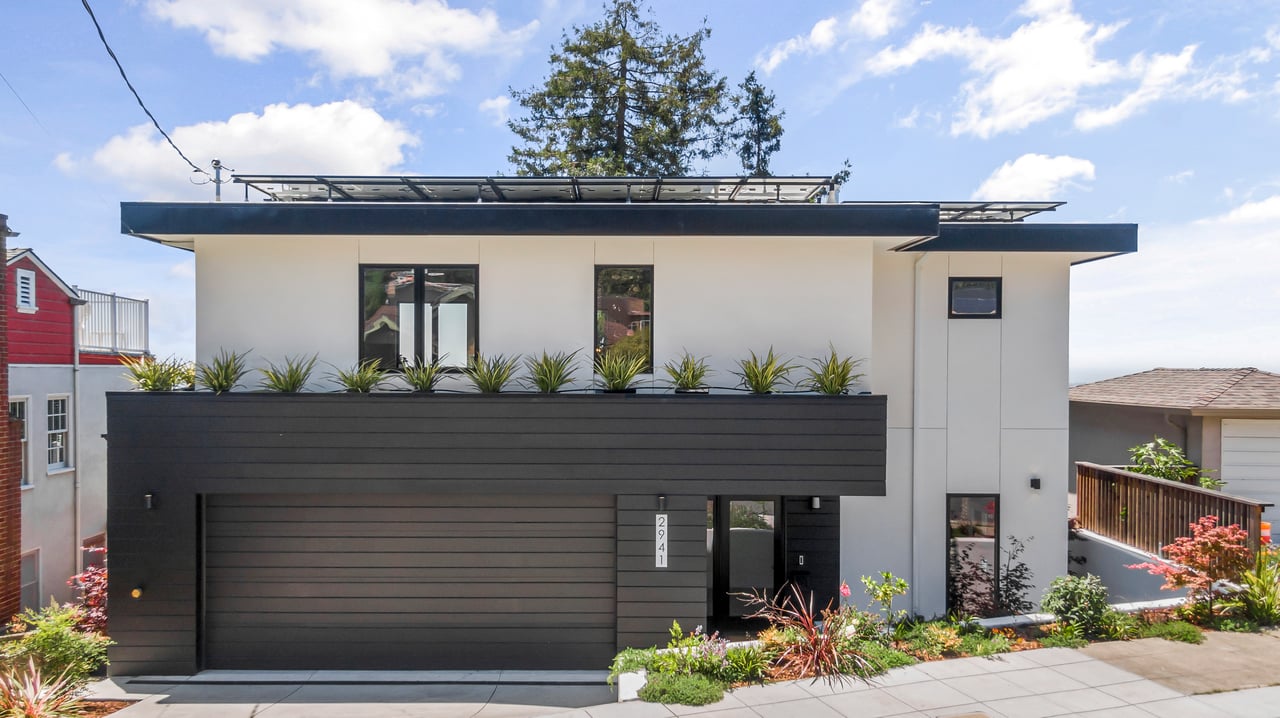
Who Benefits From Low Interest Rates?
Ask most people whether low interest rates favor buyers or sellers and the answer is almost always the same: both. It sounds reasonable, but it’s not correct. Low interest rates favor the seller.
Why Low Rates Inflate Price
When rates drop, buyers can borrow more money for the same monthly payment. That additional borrowing power doesn’t sit idle, it flows directly into higher sale prices. And the only person who benefits from a higher sale price is the seller. That’s the equity they walk away with.
Buyers Don’t Buy Price, They Buy Payment
The buyer, by contrast, isn’t shopping for a price. The buyer is shopping for a payment.
Imagine a buyer who can afford $5,000 per month. That’s the ceiling, the “nut.” What that $5,000 buys depends entirely on the interest rate environment. When rates are low, that payment might support a $1 million purchase. If rates rise, it may only support $800,000.
The buyer adjusts to the rate environment. The monthly payment constraint does not.
Affordability isn’t about the price of the home. It’s about the combination of down payment, debt service, property taxes, insurance, and the cost of improvements, both immediate and long term. A buyer evaluates what they can carry each month and makes a decision within that boundary. The sales price itself is secondary. For the seller, however, the sales price is everything.
Why Higher Rates Can Favor Buyers
If low rates inflate price and favor sellers, then higher rates create advantages for buyers.
When borrowing becomes more expensive, fewer buyers can stretch. Sellers who want to transact must meet the market. Prices eventually soften. A lower purchase price means a lower required down payment and, in the East Bay, lower property taxes permanently.
And there’s something else: optionality. A buyer who purchases in a higher-rate environment has the opportunity to refinance if rates decline in the future, lowering the payment or accessing equity strategically. That option doesn’t exist for the seller who benefited from peak pricing. In that cycle, leverage shifts toward the buyer.
Houses Depreciate. Land Appreciates.
There’s another reality that often gets overlooked in these conversations: houses themselves depreciate. Roofs age. Systems wear out. Materials deteriorate. Left alone, a structure is a declining asset.
So why do property values rise? Because land appreciates faster than the house depreciates.
“Location, location, location” isn’t a slogan, it’s an economic principle. People consistently pay more to live in Piedmont or Berkeley than in West Oakland not because the drywall is different, but because the land carries scarcity, access, schools, infrastructure, and long-term desirability.
What You’re Actually Buying
What many buyers perceive as a $2 million house is often better understood as a $1 million structure sitting on a $1 million lot. The numbers may vary, but the principle holds. The structure ages. The land compounds.
When advising buyers, especially first-time buyers, I reframe the purchase this way: you are not buying a $2 million house. You are buying a modest structure in a valuable location. The long-term appreciation comes from the dirt beneath it.
