


Presented by Alex Michas & Rick Richetta
Some homes are built. Others are composed.
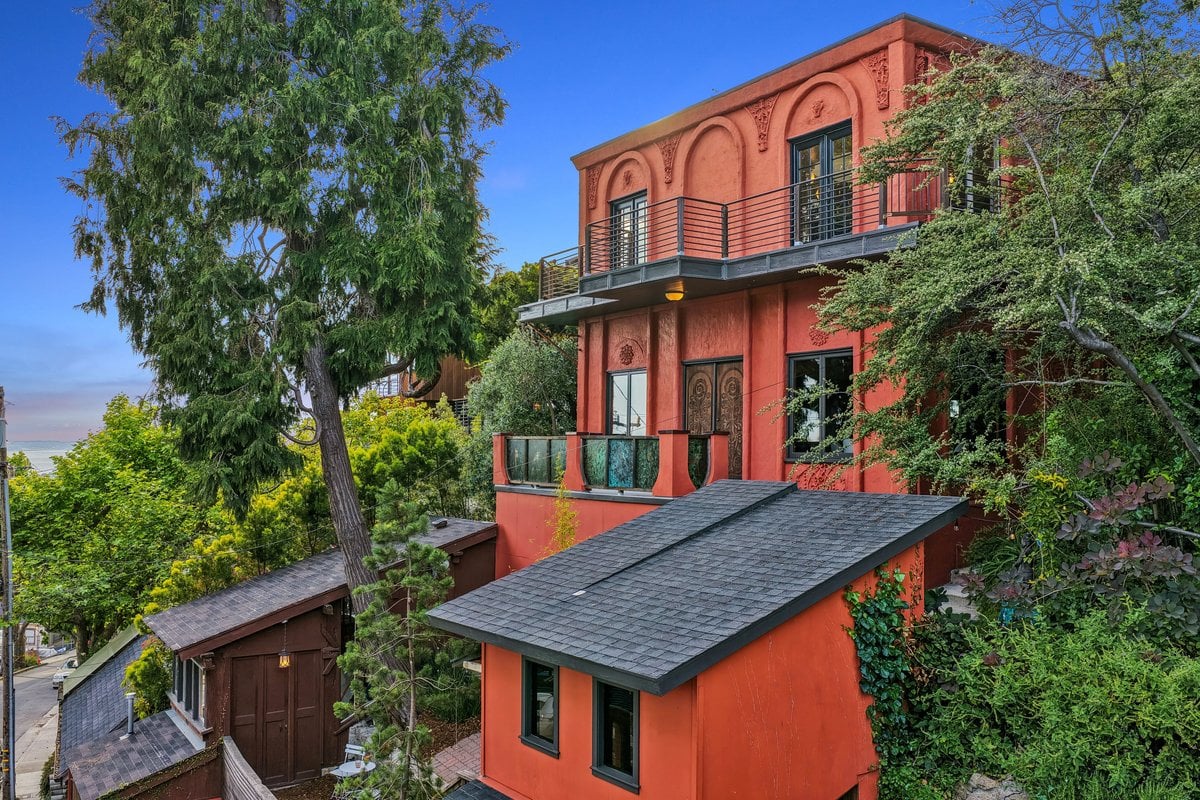
In the early 1920s, artist-architect Paul Beygrau and his wife Marie Rosalie Schaff, a gifted woodcarver from Alsace, arrived in Berkeley after distinguished work abroad. Beygrau, London-born and trained in both fine arts and architecture, had already earned recognition designing interiors for royal commissions in England and grand public buildings in Winnipeg. Together, the couple turned their attention to a deeply personal project in the Berkeley hills — creating a pair of neighboring homes that would embody their shared artistic vision.
At 1049 and 1051 Keith Avenue, the Beygraus produced what many regard as their collaborative masterwork — a rare domestic expression of European artistry translated into California architecture. Their work drew enough attention to be featured on the front page of the San Francisco Chronicle in 1928 and was described at the time as “the most remarkable expression of domestic art and architecture in the Bay Region.”
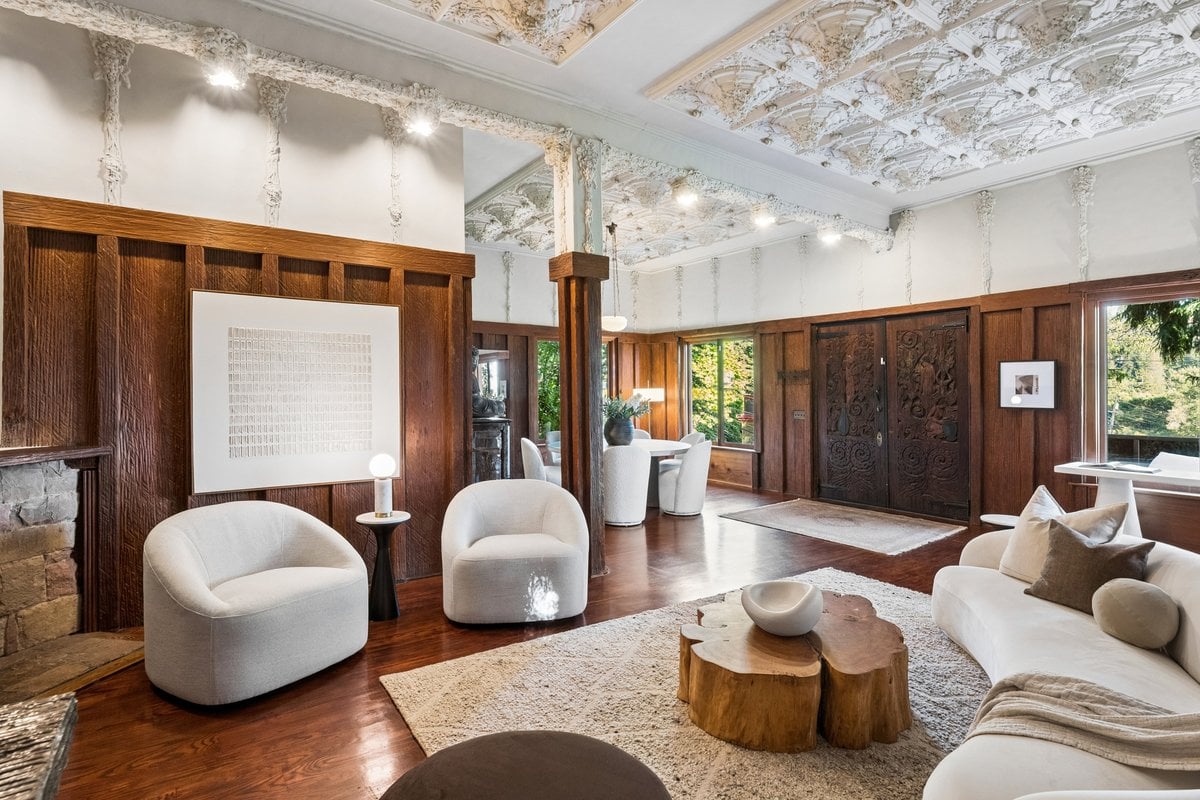
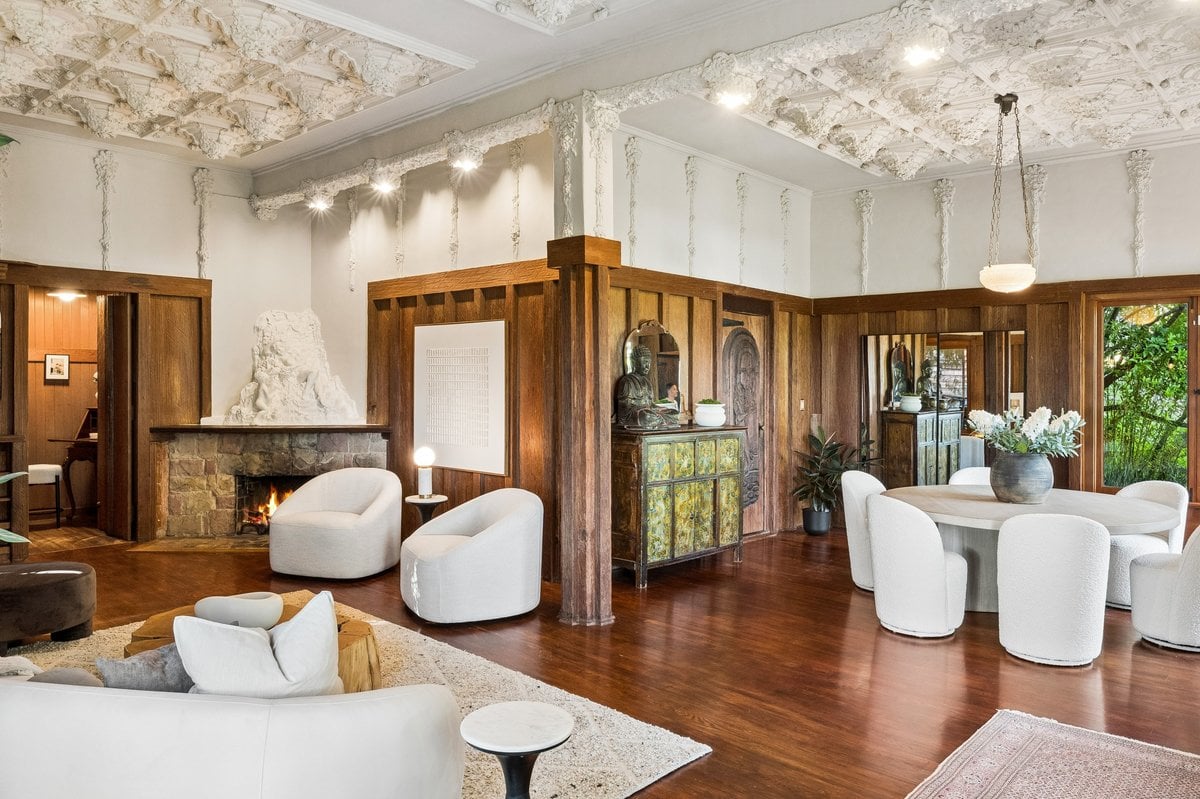
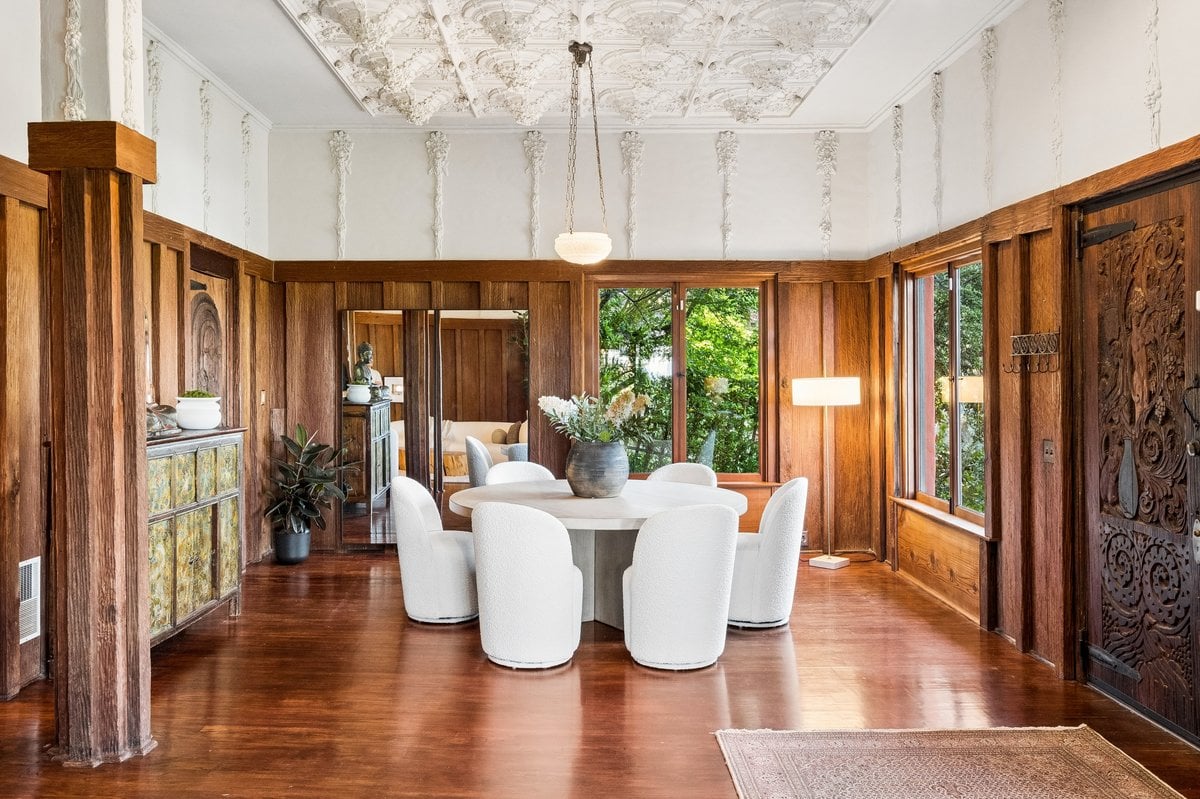
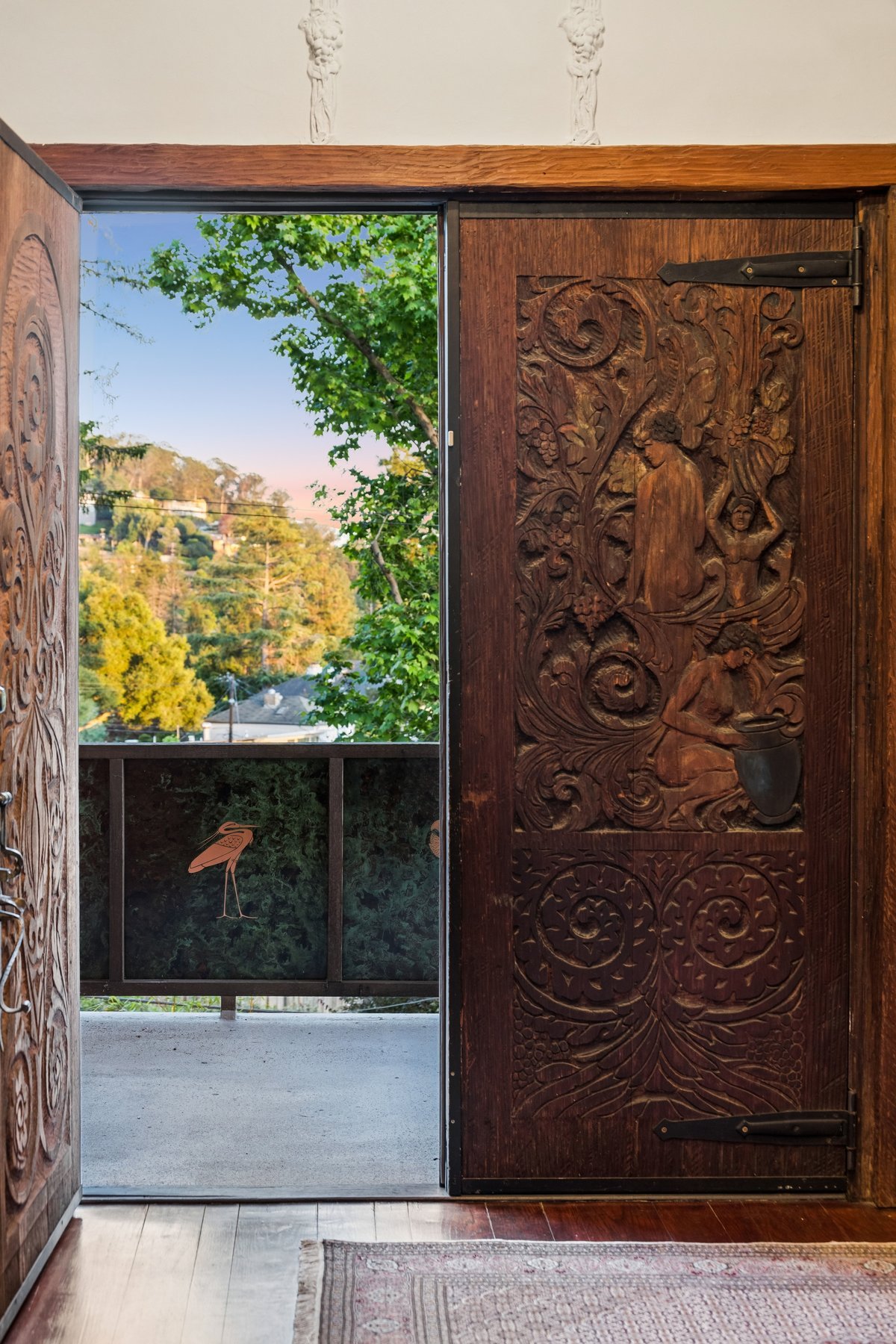
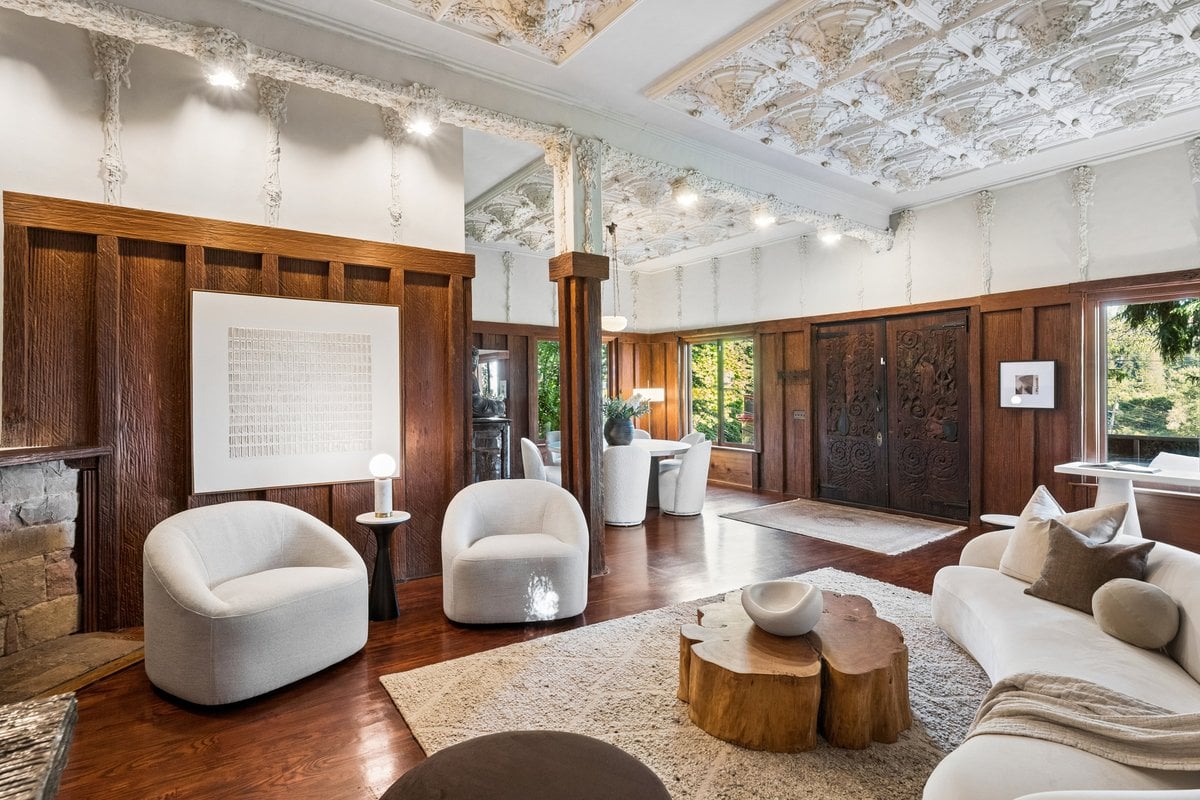
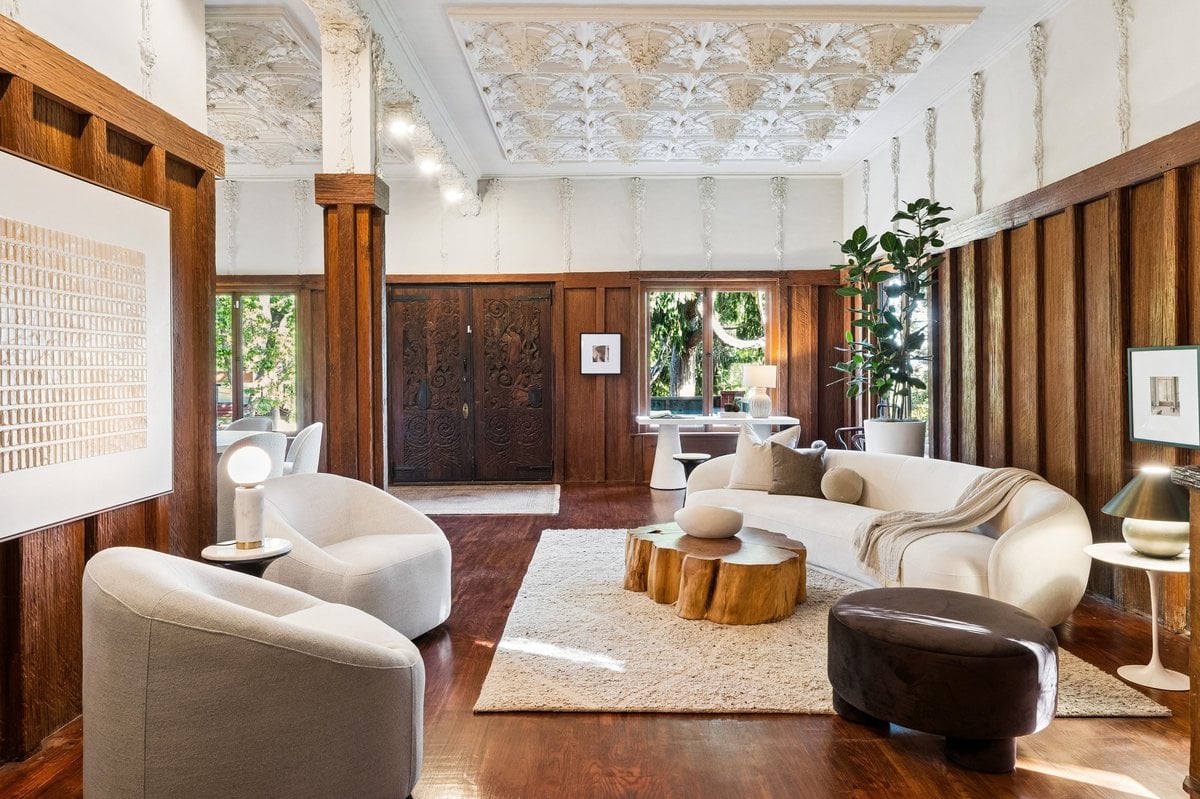
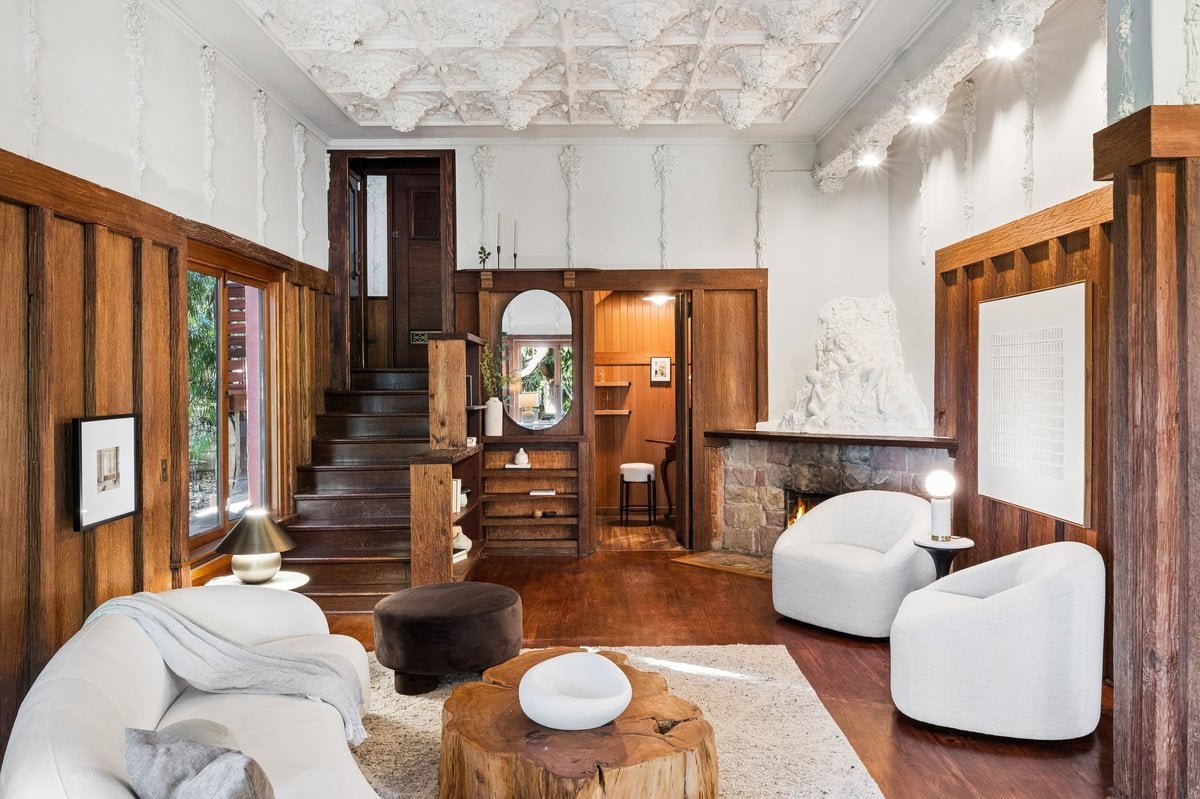
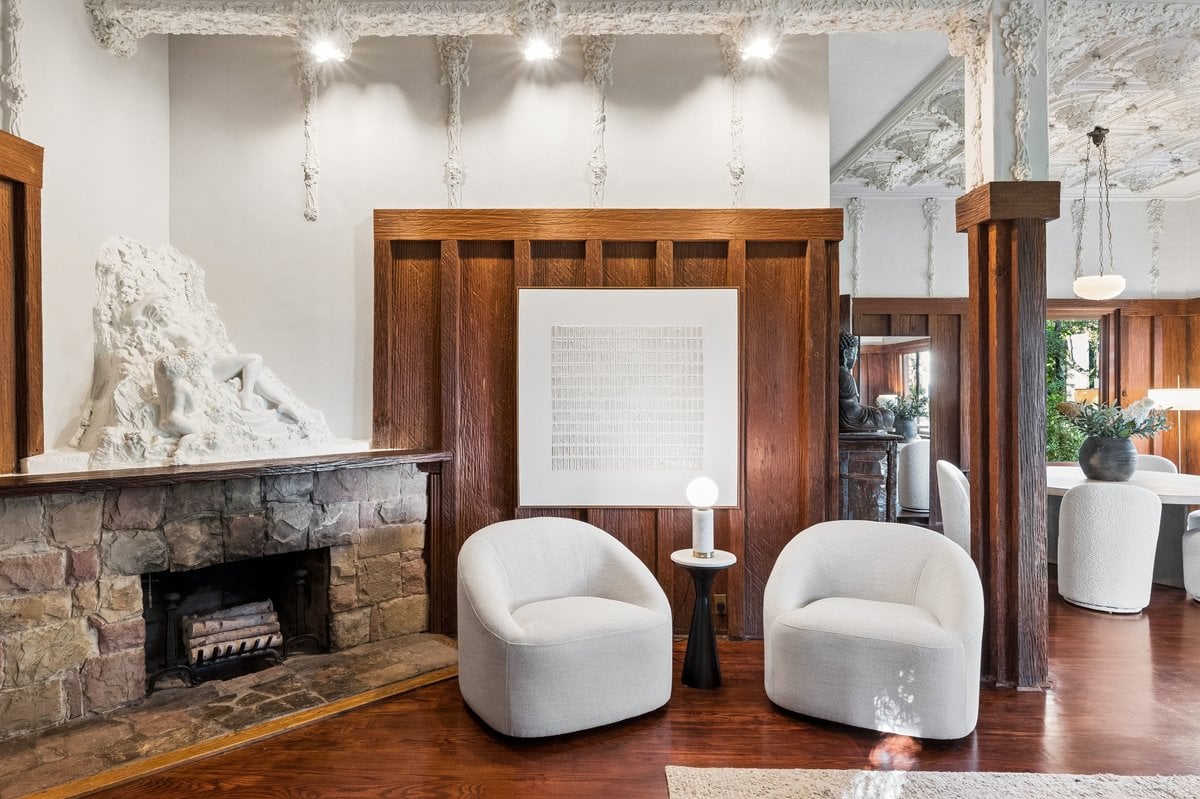
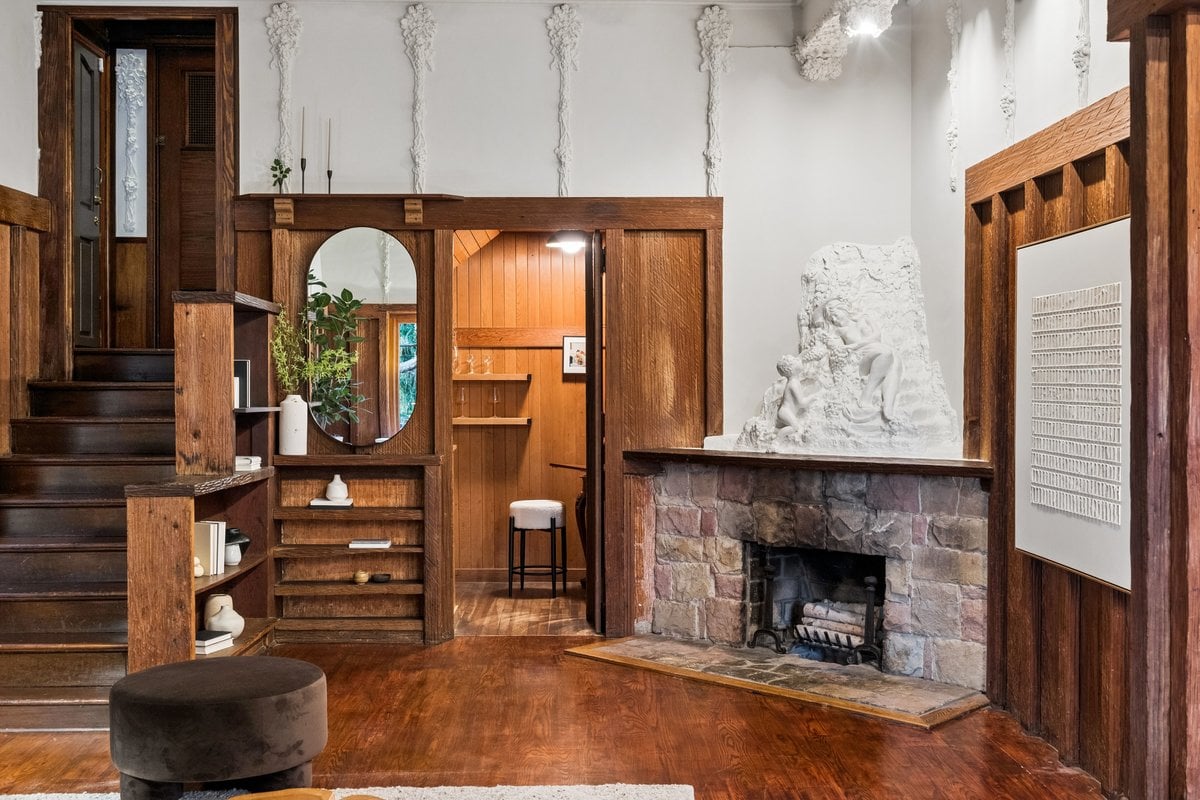
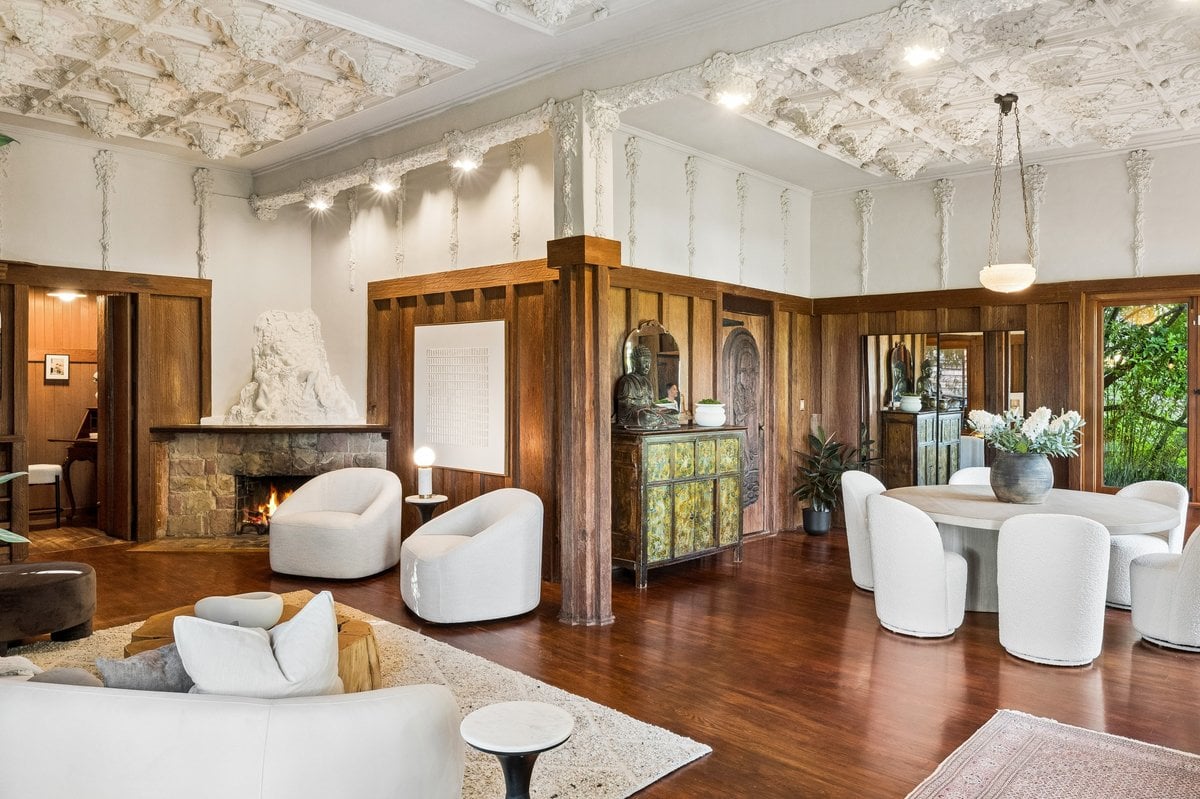
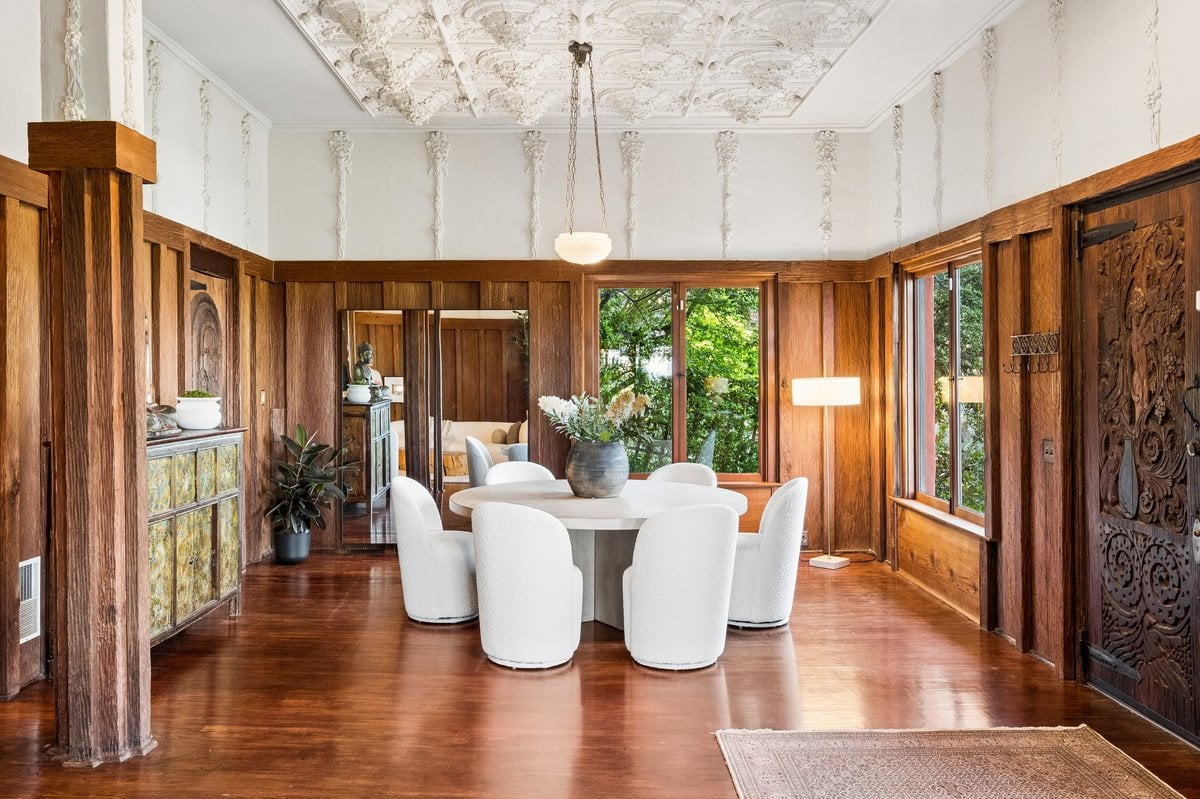
At 1049 Keith, artistry is present in nearly every surface. Massive, hand-carved wooden doors — reportedly shaped by Marie Beygrau herself — open into interiors rich with material and craft. Intricate inlaid hardwood floors run throughout the home, while the living and dining rooms unfold with grand proportions and walls clad in solid, hewn redwood wainscoting. Above, richly decorated ceilings reflect Beygrau’s European fresco traditions adapted into sculptural plaster and painted finishes, creating rooms that feel both architectural and artistic.
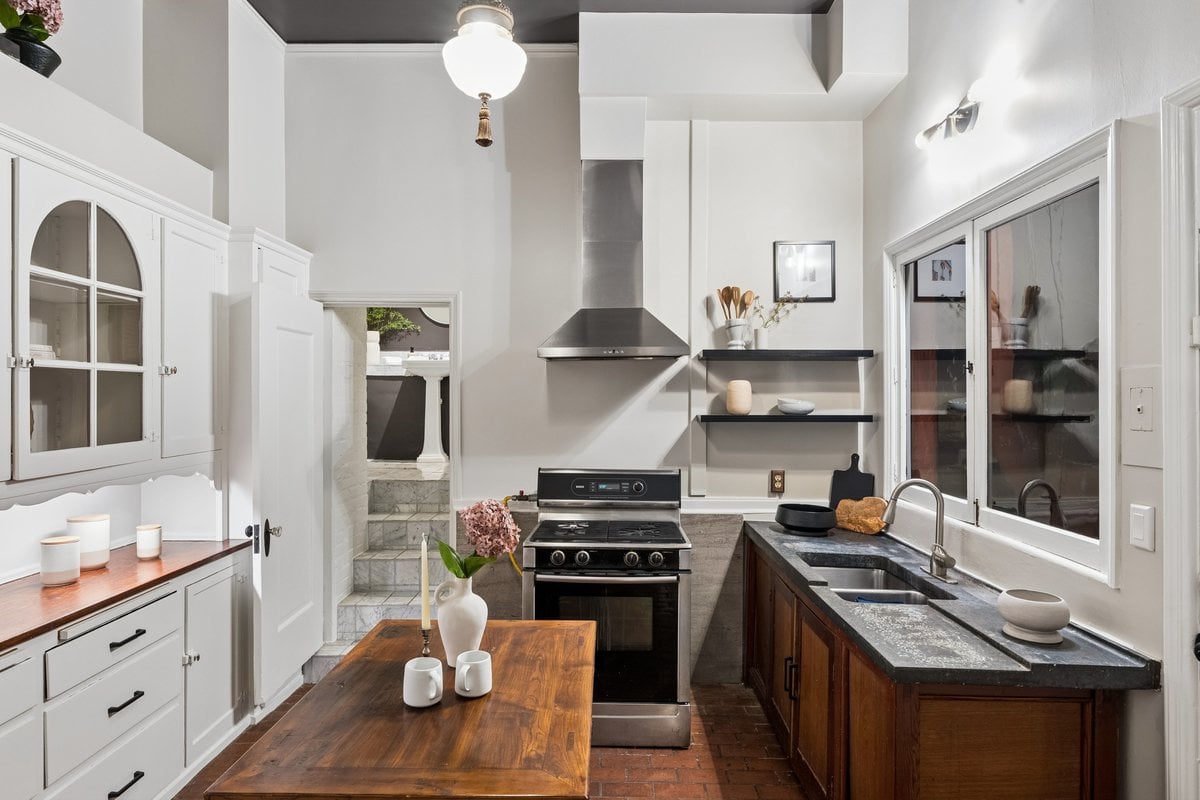
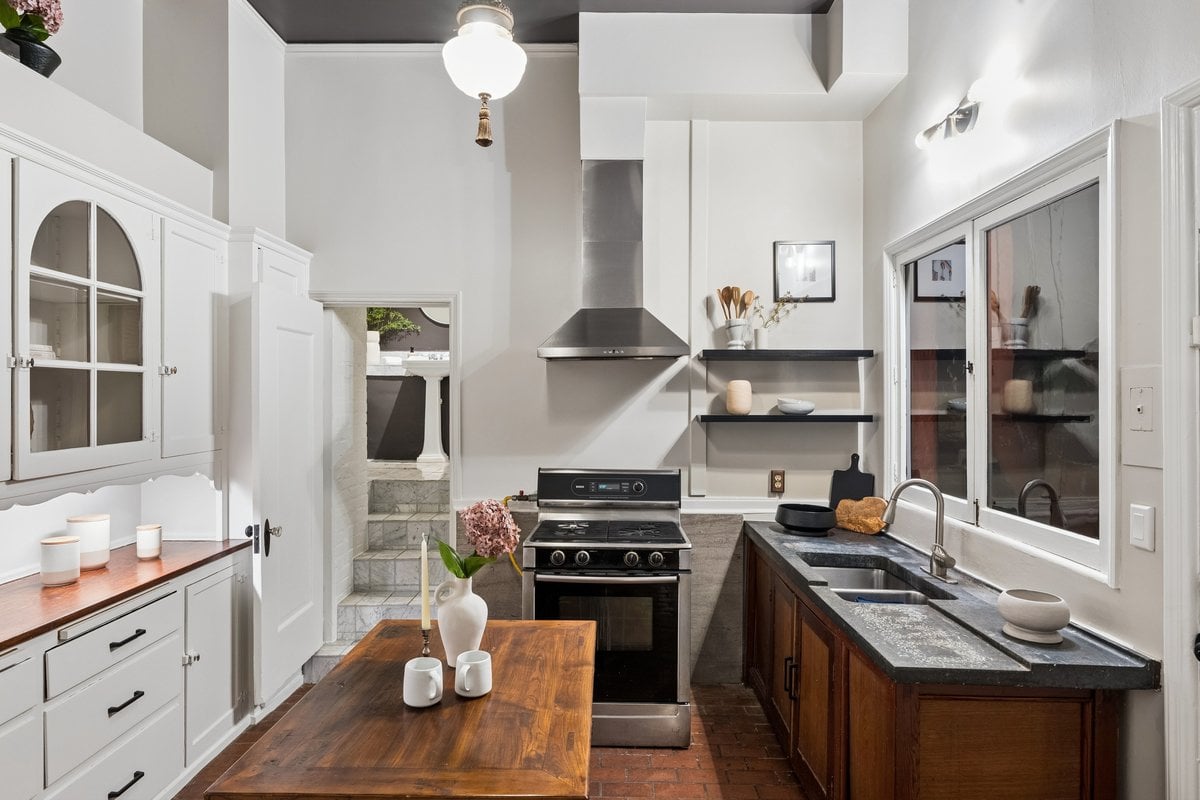
The main level is anchored by these dramatic public spaces and complemented by a period-inspired kitchen and a marble-enhanced full bath.
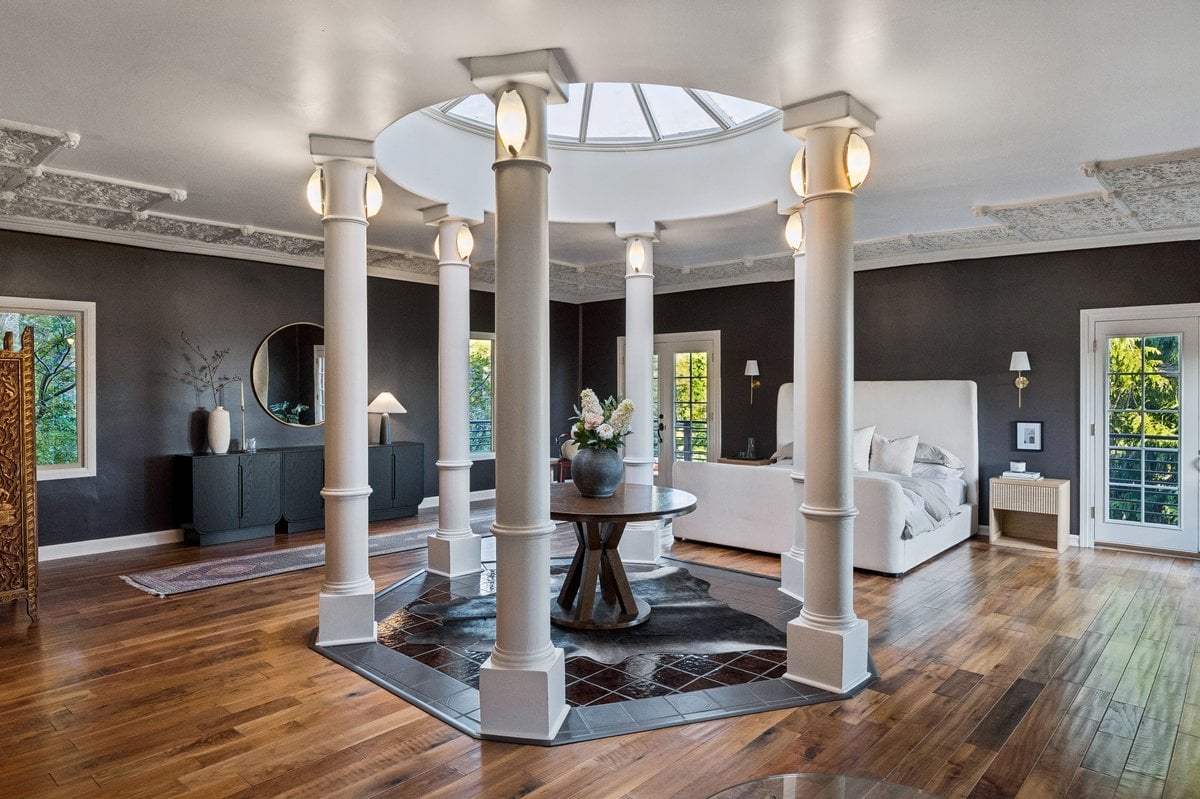
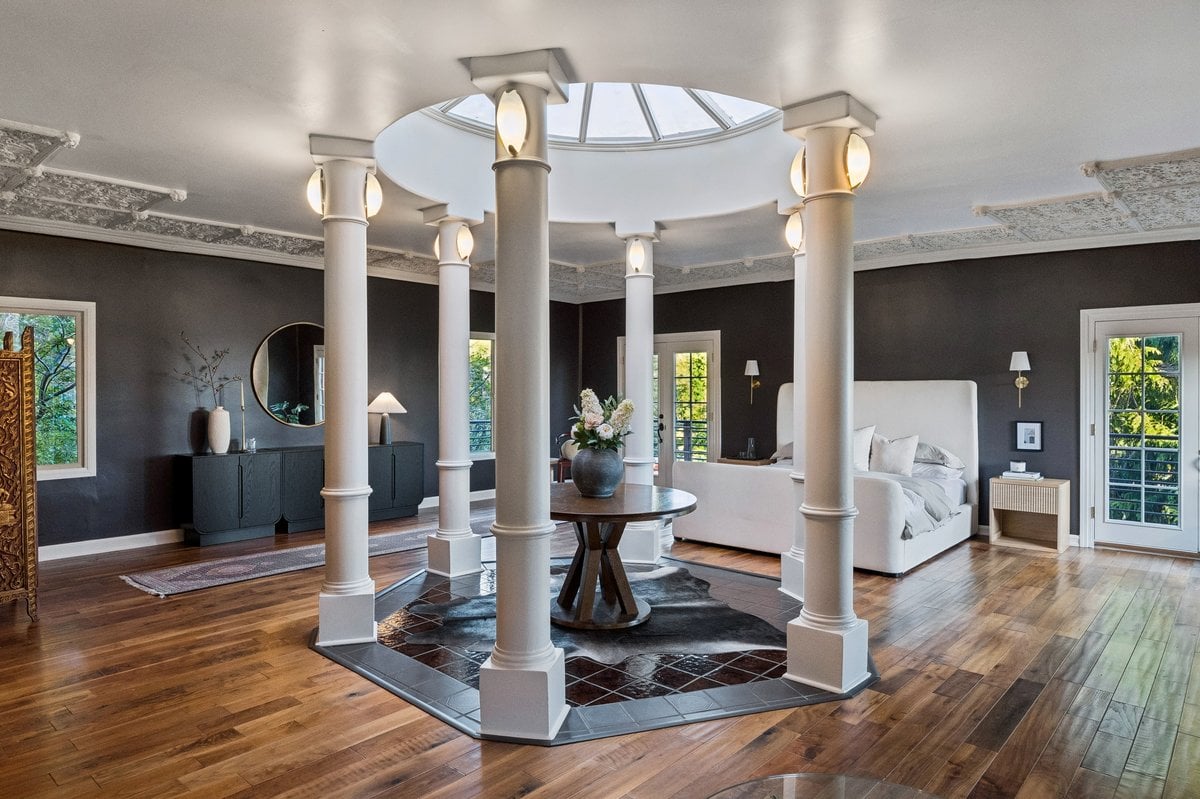
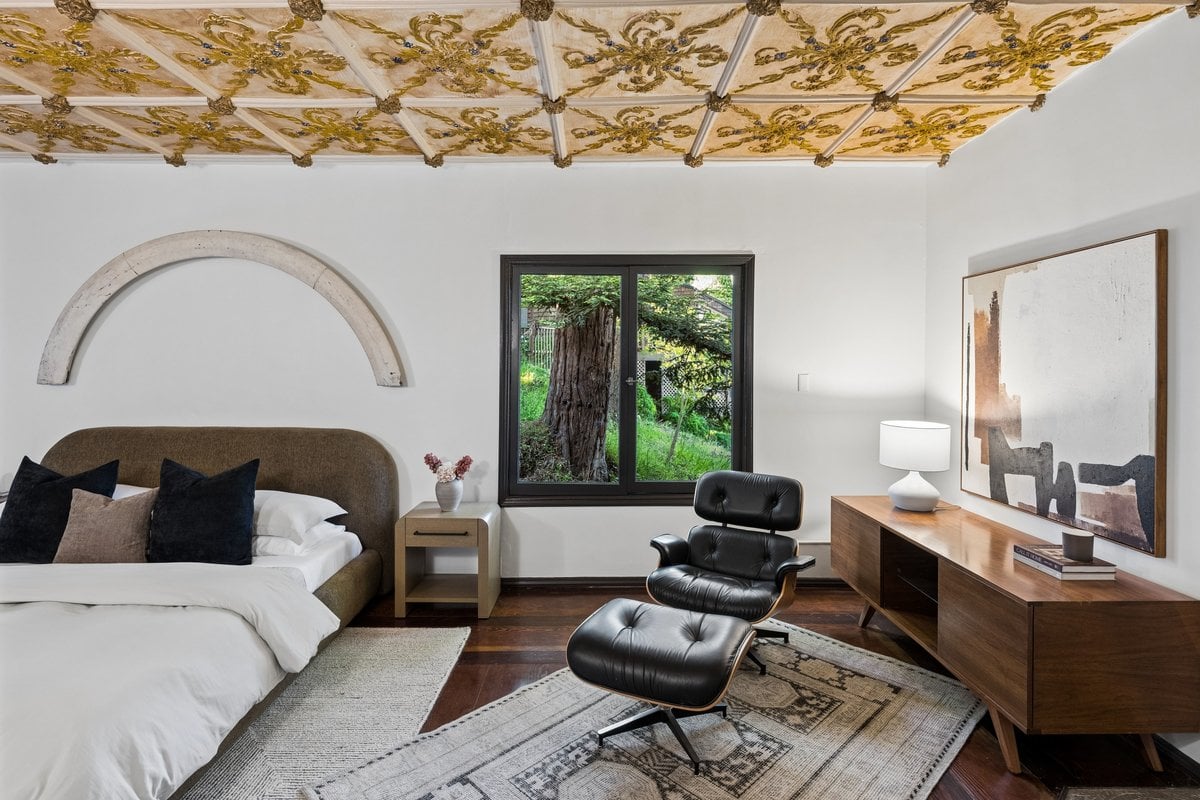
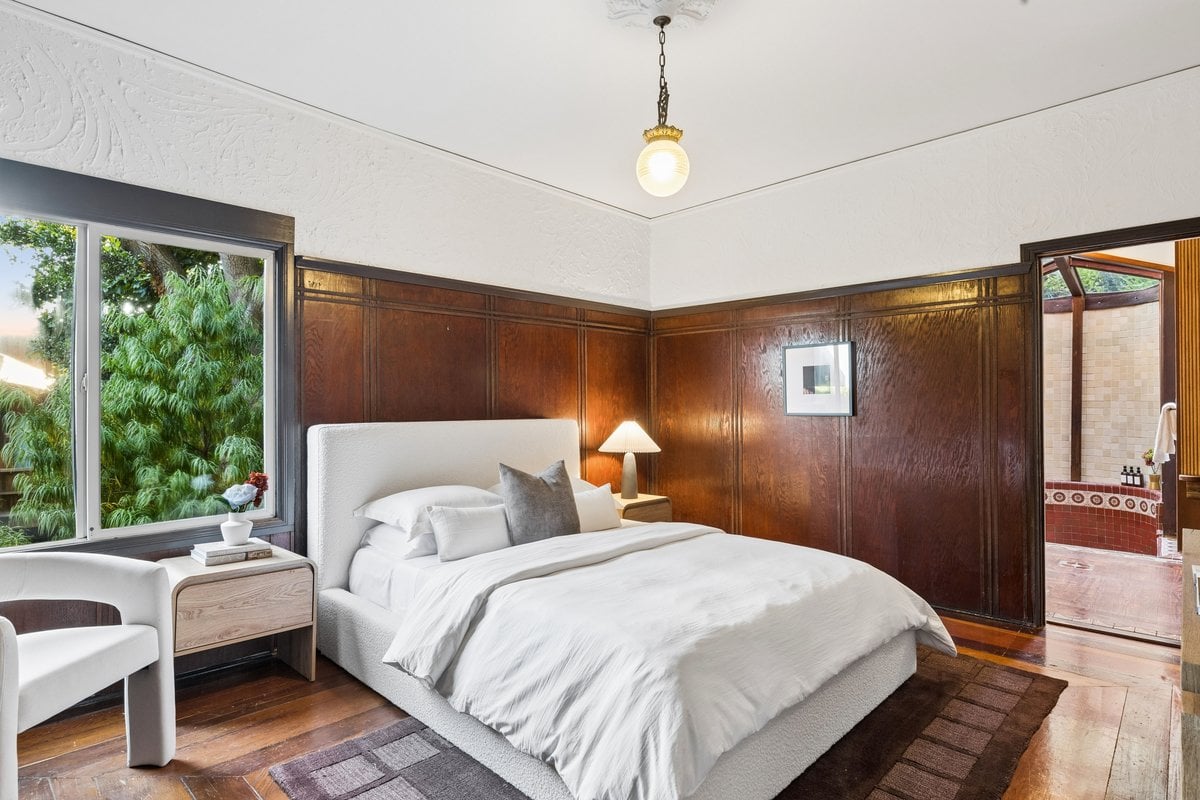
Upstairs, the 800-square-foot primary suite feels almost palatial — crowned by a columned atrium ceiling and opening through French doors to a sweeping view deck. Two additional bedrooms offer their own character: one wrapped in warm wood wainscoting that creates an intimate retreat; the other a double-sized chamber with fireplace, French doors to the garden, and a richly ornamented ceiling that reflects the home’s decorative lineage.
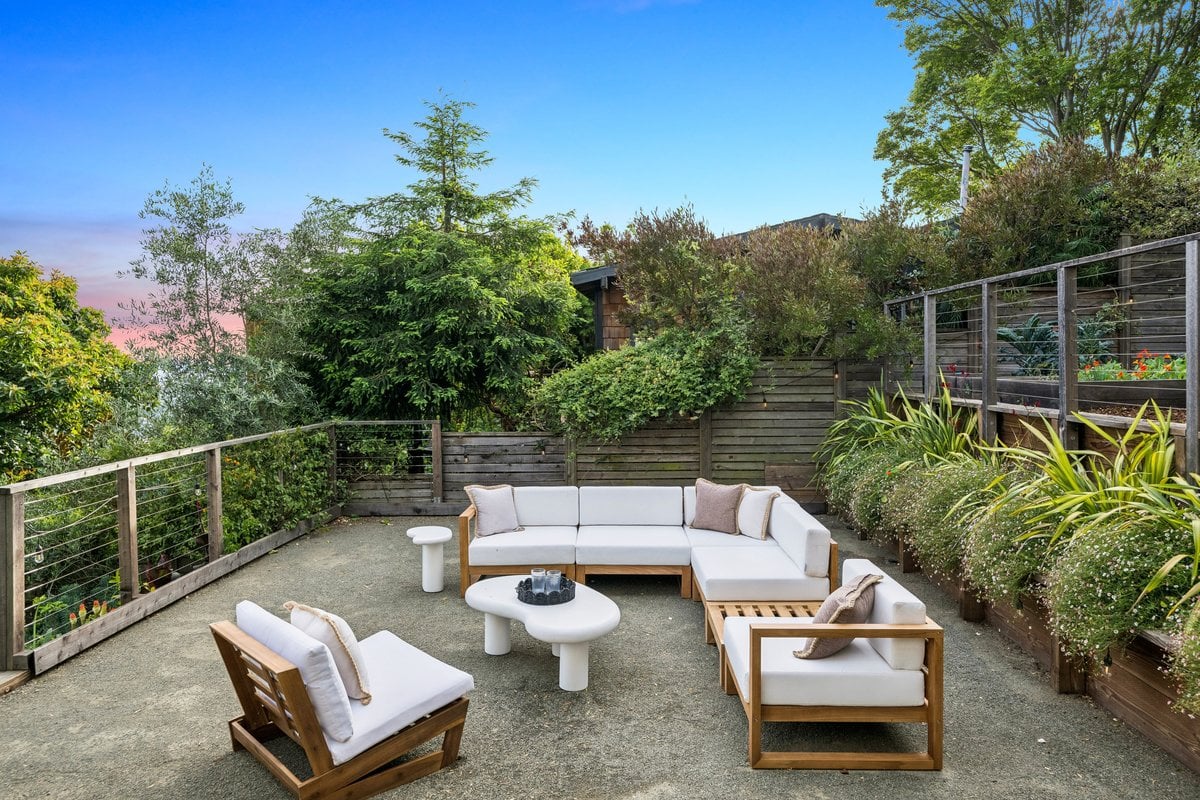
Beyond the interiors, the home continues its dialogue with nature. The grounds cascade down the hillside in a series of thoughtfully designed terraces. An upper terrace invites relaxed outdoor dining and gathering. A generous middle terrace offers space for play or recreation. Below, landscaped gardens and raised planting beds create a productive and peaceful setting for gardening.
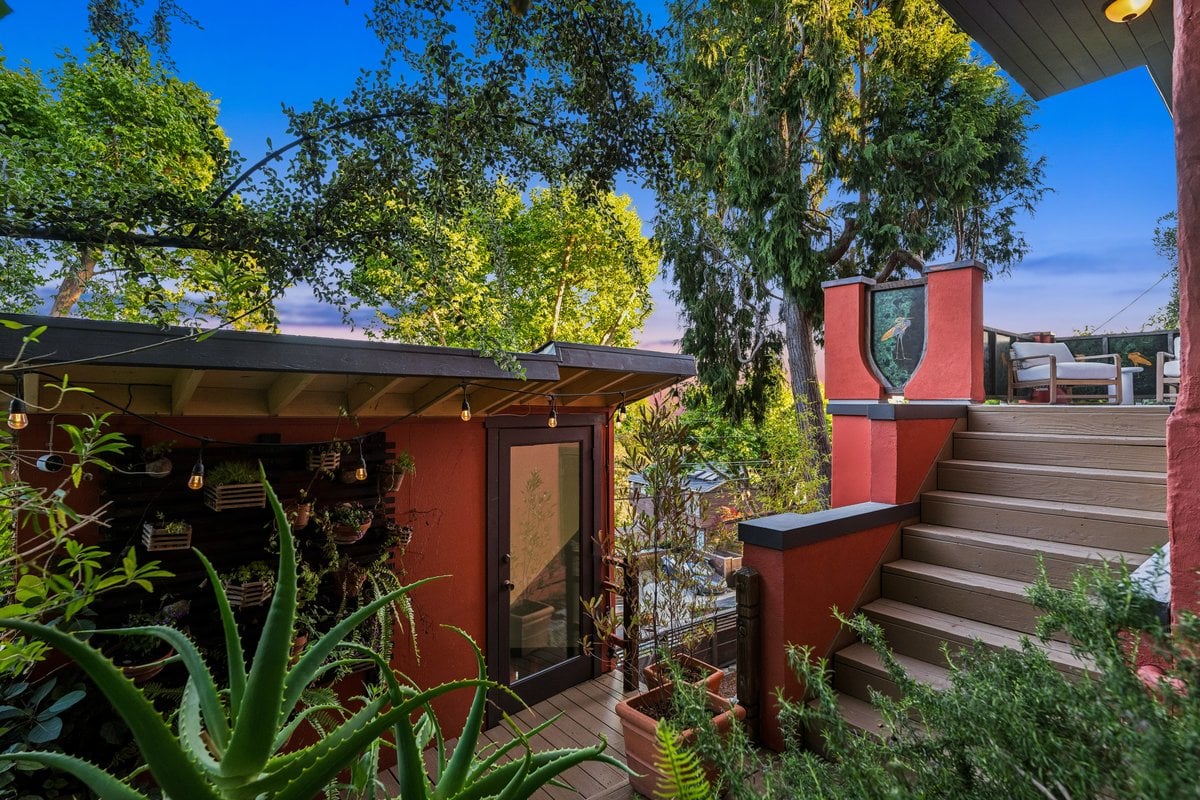
Tucked privately within the property is a charming detached apartment, complete with lofted sleeping area, its own terrace, and beautiful outlooks — ideal for guests, creative work, or extended stays.
At once architectural artifact and living home, 1049 Keith Avenue offers something exceedingly rare in the Berkeley hills: a residence where history, artistry, and daily life meet in enduring form.
4
beds
4
baths
3,425 Sq.Ft. LIVING AREA
6,510 Sq.Ft. lot
Welcome to 1049 Keith Ave. This is a property that has been in my family for
nearly half a century. And it has never been just a house for us - it has always
been part of the longer story. And if you are reading this, you may be stepping
into its next chapter. I welcome you to it.
My connection to this property began long before Heather and I owned it. As a
child, I spent summers visiting my Uncle here, a physician who lived alone and
who worked with the consequences of the counter culture. The neighborhood
was full of eclectic life at the time, my Uncle had a cast of interesting visitors,
and it offered a freedom that I was unaccustomed to.
I remember walking through the house and feeling as though I had entered
something closer to a living museum than a home - the old-growth wood,
plaster and tile, the overall feel was that of a French mansion. Much grander
than its footprint. As much of the house was left unfurnished at the time, and
my Uncle only lived in what he called “the rotunda room”, I would have the
rest of the upstairs to myself. I would build fires (yes we are still in summer)
and swim in the Roman bath and imagine I was living in a castle. At night,
perched on the hillside and with the city lights in the distance, the house felt
especially unique - quiet, mysterious, and full of possibility. It told me I had to
live here one day.
The hillside behind the house was also its own world. I spent hours there.
Laying down and watching clouds, searching with other neighborhood kids for
old glass marbles and small relics left behind by the many artists and visitors
who had lived and worked here over the years.
Originally known as “Villa Vine,” then “The Castle”, and then in the 60s as “The
Meeting House” and finally the “Plaster Palace” - a nickname attributed to
Eldridge Cleaver who with his wife visited the resident Yippies and signed an
accord in the dining area (some very cool photos in the house exist from this
period by the way) - this home has long been a gathering place for extended
families, artists, musicians, and thinkers. It has always been a space where
people came together to share meals, ideas, and time.
Extra historical fact, and as I mentioned the Black Panthers, the sidewalk
outside adjacent to the wall still has a “Free Huey” carved in it. I learned that
the house was where the press conference for his arrest was held.
For Heather and I, owning 1049 once felt like a distant dream. We lived in a
smaller home further up Keith Avenue, and when the timing finally aligned -
and our two boys began to outgrow that space and my Uncle was ready to live
overseas - we stretched and made the move. We were here a decade until our
own paths required change.
While the home was originally built by an artist in residence and reflects that
creative spirit, what we came to appreciate most is how well it supports
everyday life. The rotunda room - photographed years later by Imogen
Cunningham indirectly while capturing the next infamous artist resident - is
striking, but it is also a space we have simply lived in and enjoyed over the
years. Taking tea, putting on an LP, grabbing a book and taking in the view.
This is a home with a rare kind of flexibility. There is room to spread out, room
to come together, and a natural connection between indoor and outdoor
living. Yet you can still find solace.
Our children grew up here, and it became a place where their friends wanted
to be. At the same time. We spent a great deal of time outdoors as well -
growing food in the garden, working on wood projects in the spaces off the
road, and building a sport court that our kids used for years before we later
transitioned it to decomposed granite, allowing the space to evolve.
After a decade here as our primary residence, it is not easy to leave and we
hope the next owners will appreciate not only the history, but how livable and
welcoming this home truly is. It has an immense amount of potential for the
right person. I hope it finds this in its next chapter. It is a special place, and we
all feel fortunate to have been part of its story to this point.
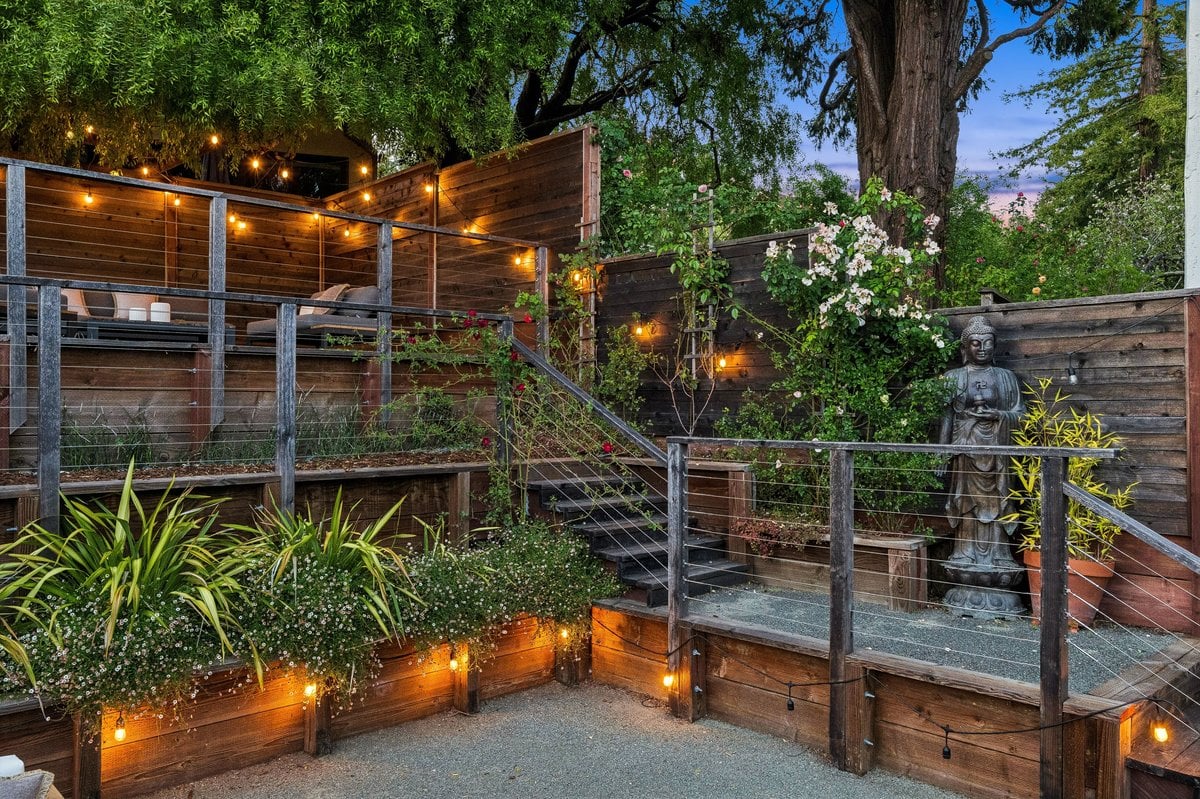
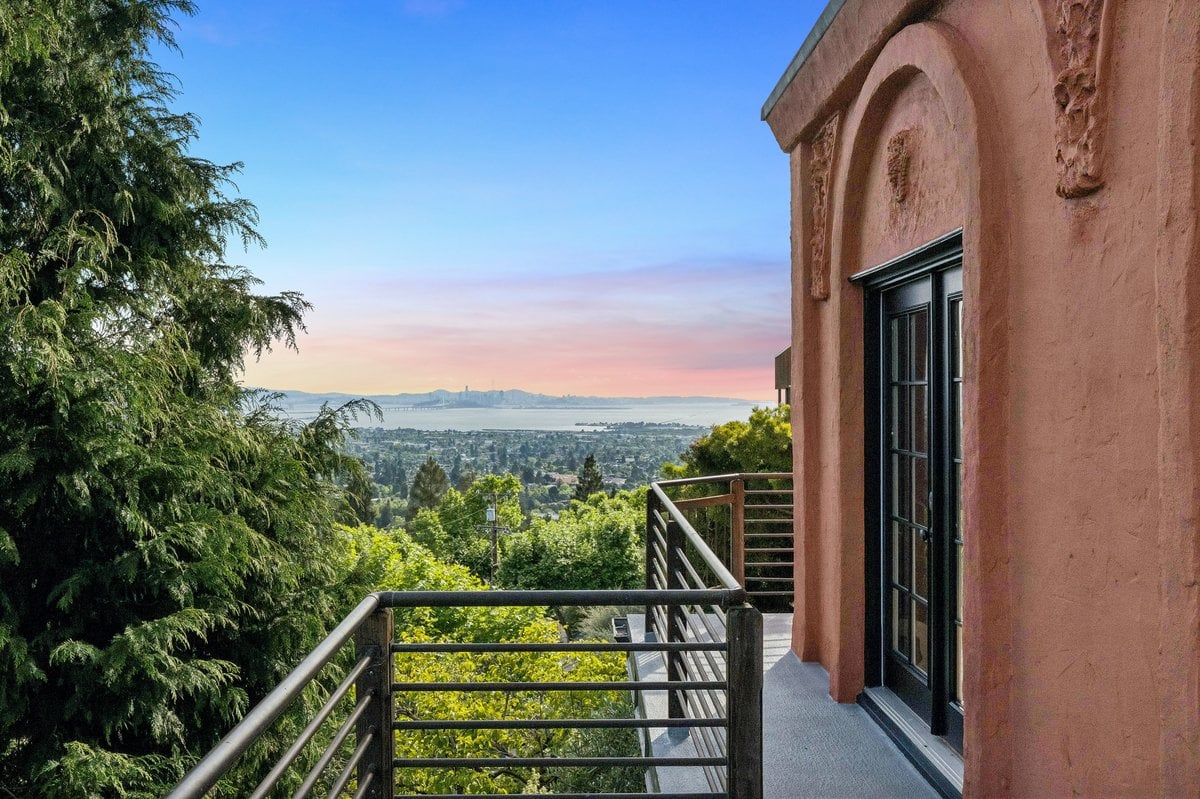
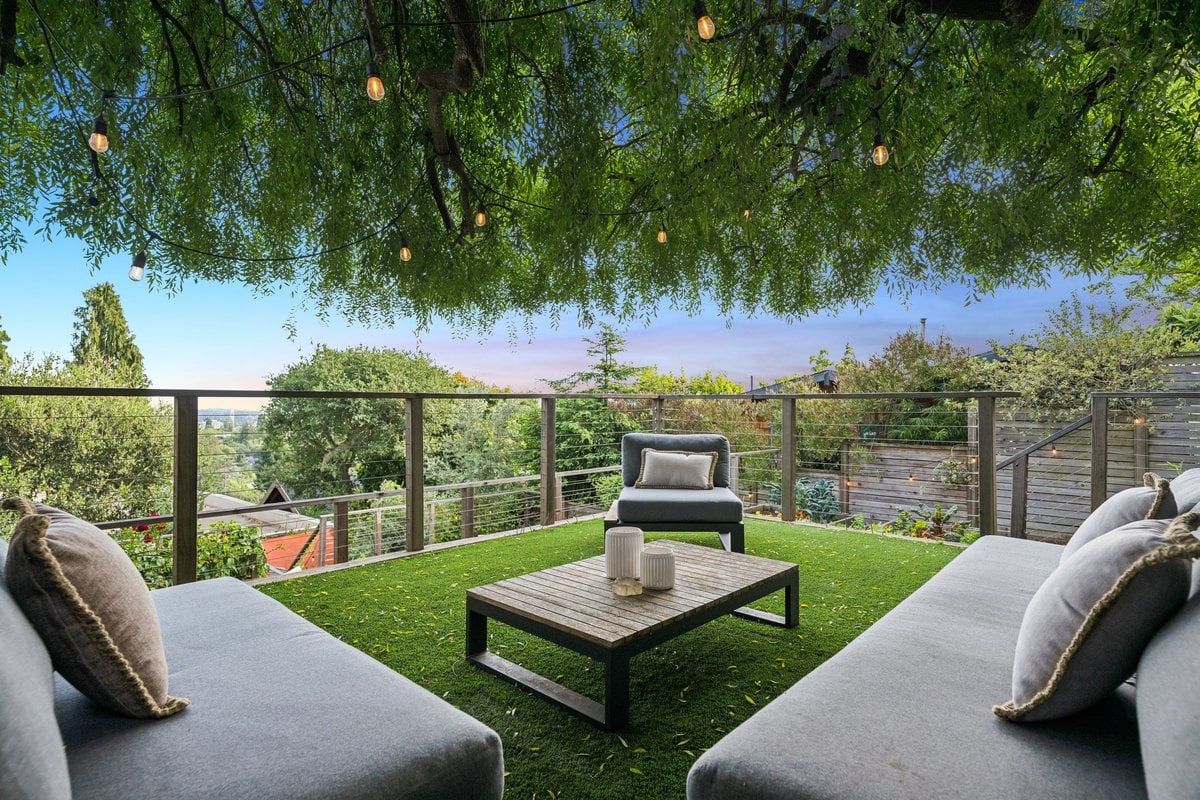

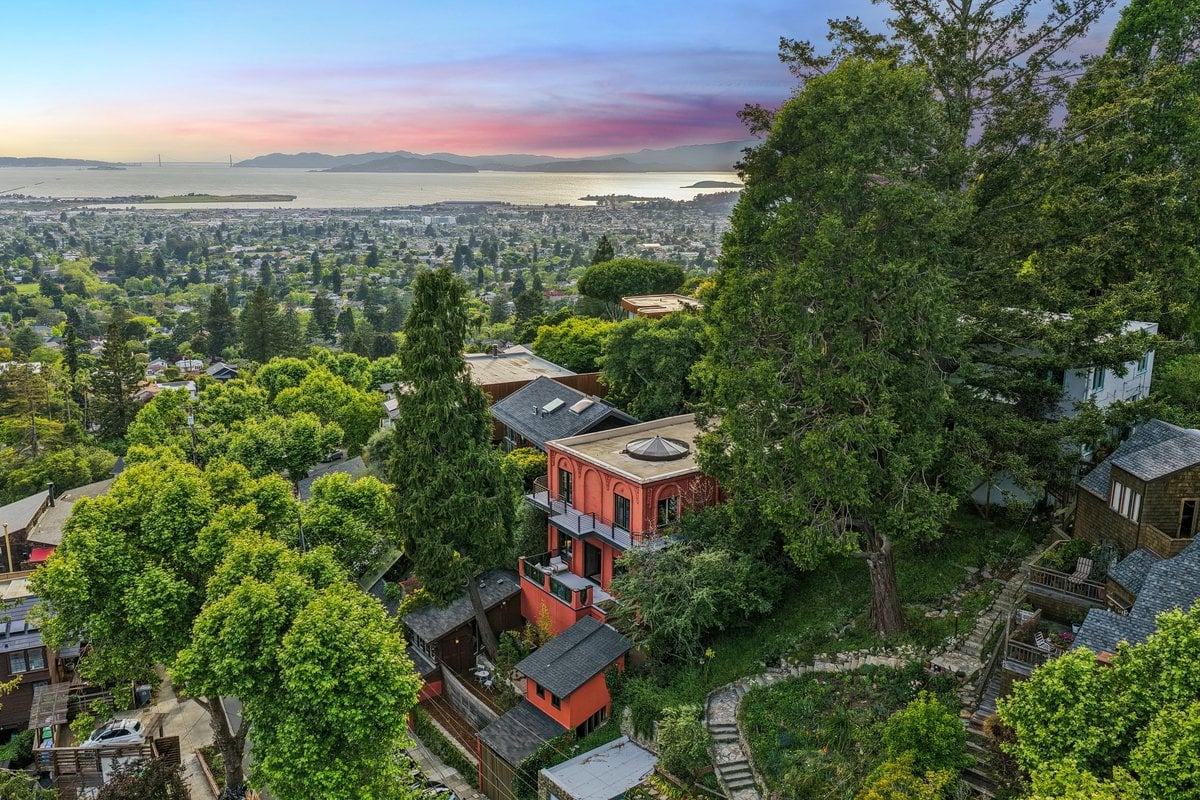
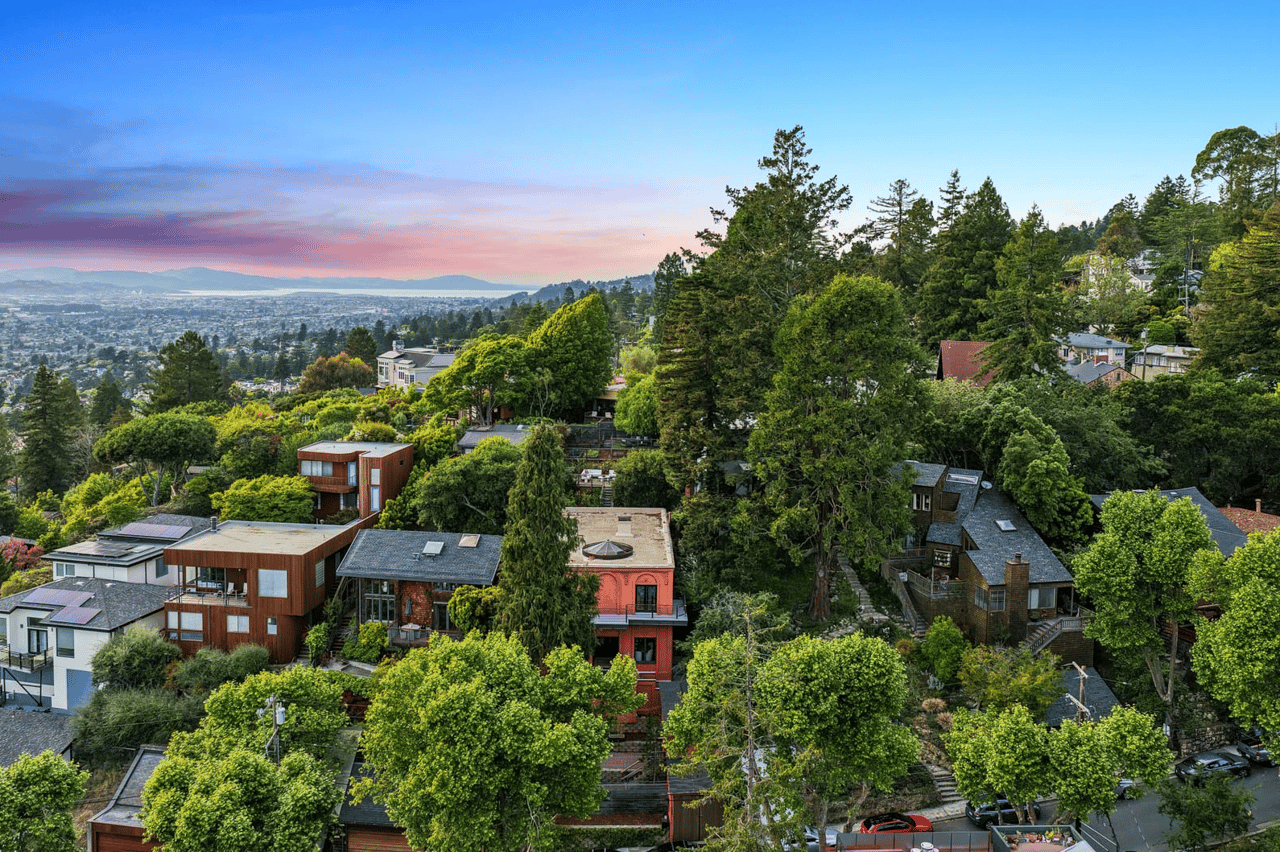
Berkeley Hills is classic East Bay: big sky, sweeping Bay views, and a canopy of trees that makes the whole neighbourhood feel elevated—literally and visually. It’s one of the most desirable settings in the region, offering a rare blend of privacy, natural beauty, and architectural presence.
The homes here are as compelling as the landscape. You’ll find an impressive range of styles—Craftsman bungalows, ranch homes, Spanish farmhouses, Italian-inspired villas, and Tudor manors—often on streets that feel quietly cinematic. Areas around Southampton Avenue are especially rich in period revival architecture, and the hills carry real architectural pedigree overall, with contributions from celebrated names like Bernard Maybeck, Julia Morgan, and John Galen Howard. The result is a neighbourhood that feels established, intentional, and built to last.
